
WESTERN CAPE . SOUTH AFRICA
Capensis
Video Production . Copywriting
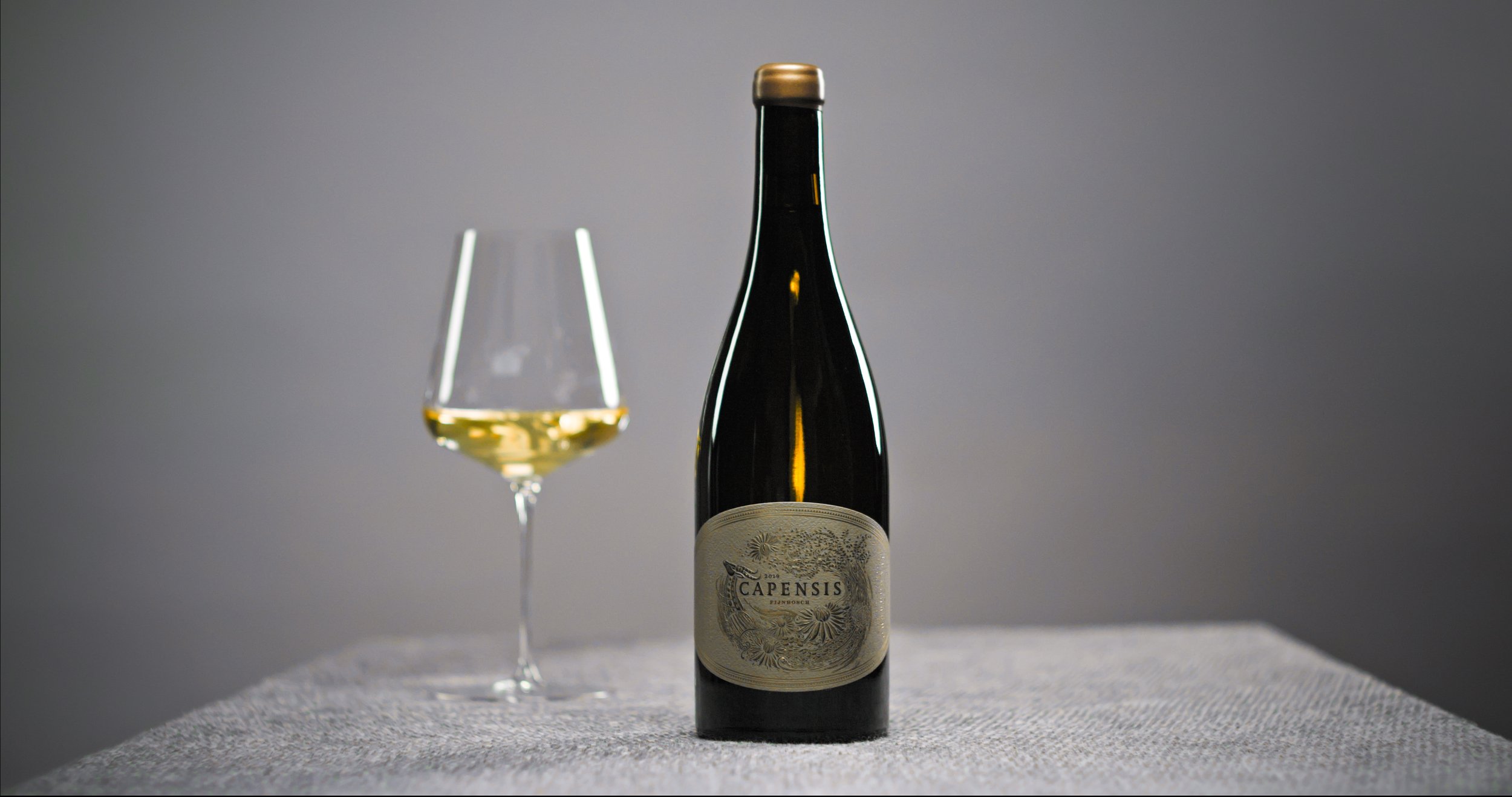
Capensis creates world-class South African Chardonnay, of which the Fijnbosch is the pinnacle expression of their brand home in Stellenbosch
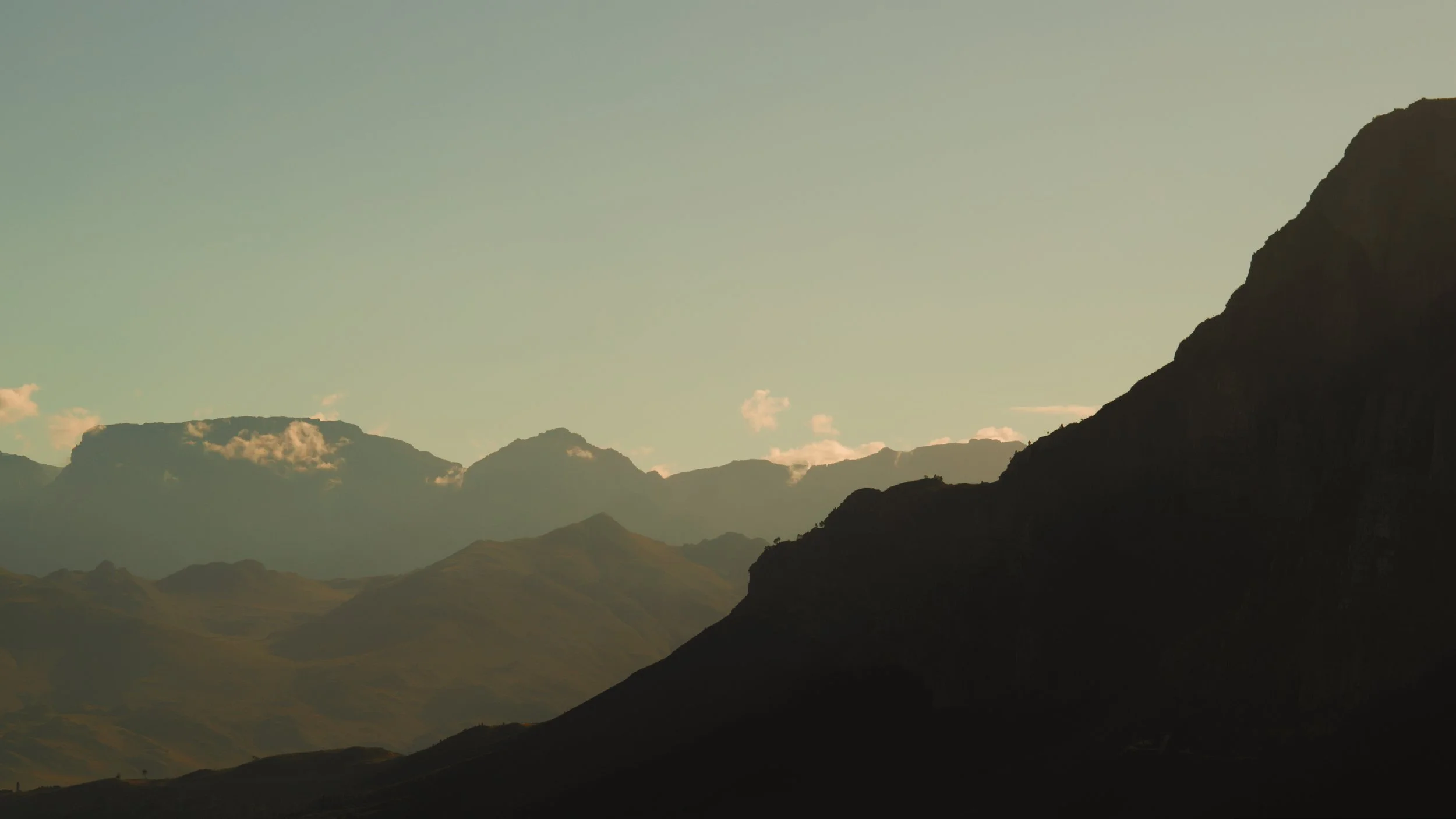
Understanding that this is a wine of longevity, we wanted to put place as the central focus, where the terroir translates into a visceral experience of the wine.
Alongside the video, we created two written pieces to deepen the storytelling. The first, a ghostwritten article in winemaker Graham Weerts’ voice, offered a fresh, thought-provoking perspective on the 2023 vintage, avoiding any well-worn clichés like “optimal ripeness”. The second was a press release announcing Silene Cabernet Sauvignon: an unexpected step for a producer renowned for Chardonnay, now expanding its connection to place through a Stellenbosch Cabernet
Capensis Harvest Report 2023
Wine beyond a lifetime
I’m always looking for an opportunity to disappear into the bush. Next month, my family and I will spend four weeks overlanding through Namibia. It’s out there in the desert, under a sky more star-studded than black, nothing but sand dunes and a few acacia trees in sight, that the sheer vast emptiness of it all shrinks you to insignificance and you hear the quiet, thrumming power of place.
It always amazes me on a continent like Africa bursting with a raw, rugged beauty, that the story of South African wine seems to have forgotten this. We’ve stopped looking at the where of wine, focusing on the who instead. We seem to think that only the cult of personality can sell wine or have a meaningful impact on wine drinkers; that passion is reserved for people rather than places. But if we look at the finest wines in the world, can anyone name the winemaker? Does anyone care? No, I don’t think so. These are wineries made to last decades, if not centuries. They’re wines of a place, not a person. If a South African wine brand’s lifespan is that of a surfboard or the wash cycle of an irreverent t-shirt, what chance does South Africa have for creating wines of longevity?
Capensis began with a single goal: to create world class South African Chardonnay. Ethereal wines that gain an ineffable complexity with age, yet still twang with freshness years after cellaring. When we began searching for the best vineyards in the Western Cape in 2012, our brand home Fijnbosch in Stellenbosch’s Banghoek stood head and shoulders above everything else we’d ever tried. Standing on our topmost vineyard at some 600m above sea level, Stellenbosch rolls out like a carpet before you. This block was planted against conventional advice because of its low yielding potential and intensive farming requirements. Yet, we correctly knew it would make phenomenal grapes – if not in our generation then in the next. Here, the giant crags of Groot Drakenstein Mountain rise ahead, and clouds bump up against the Simonsberg to your left, while granite soils crunch underfoot and insects hum in the surrounding fynbos. You can’t deny the fizz of this place. It’s what brought me back from California after twenty years. Sure, California is efficient. Everything works. It’s shiny. Predictable. South Africa, on the other hand, is not perfect growing country. You can’t predict vintages, certainly not the political climate, and definitely not load shedding. You never know what’s going to happen next. But this place has emotion. It’s alive.
The 2023 vintage is a perfect example of this. We had a particularly dry winter and summer before we were hit by significant thunderstorms in December which replenished our subterranean root systems, giving our wines that mineral edge – an essence that otherwise goes missing in drought years. Yet, with no bad heat waves we managed a lot of beautiful hang time. Really, it was stacking up to be one of those perfect golden vintages.
And then those March rains came. When that first wave hit, we fortunately only had about 4 tonnes left on vine. We didn’t waste any time. Within three days we’d pulled everything off this property. It’s funny, harvest has a stressful reputation, but I never lose sleep during harvest time. I have sleepless nights during pruning when one mistaken snip of a secateur can have an affect 40 years down the line.
Despite the rain, we had a magnificent vintage. 2023 will be superb for Capensis Chardonnay. Unfortunately, rightly or wrongly, critics tend to base the success or failure of a vintage on red wines, Cabernet in particular. I’m wary of this complicating 2023’s reputation, as some red wines won’t necessarily tick the right boxes of critic’s big, rich expectations. However, I’m quietly confident about what we’ve got in the cellar. And while I’m withholding judgement on our first Capensis red project from Helderberg fruit, I’m excited to see how they perform down the line – though that’s a story for another day.
While this vintage forced many winemakers to look at alternative energies in the face of unrelenting load shedding, I hope it’s woken many up to the requirements of our changing climate. We know what’s coming down the road. We’re going to have to prepare for a future of extremes: extreme droughts, extreme temperatures, extreme storms… As farmers and winemakers, it’s our duty as the caretakers of natural spaces to arm them against these extremes. If we want our vineyards to last for the next 200 hundred years, we need to give them the chance to contend with these conditions. Planting for the future is about resilience.
At Fijnbosch, we’ve constructed a careful game plan of resilience. Afterall, you make world class wines by caring for world class vineyards. To buffer yourself against the extremes of climate change, you’ve either got to be close to the ocean or you need some fantastic altitude. Luckily, we have both. But we don’t just rely on geography when designing our vineyards; we actively engage in working with nature’s cycles and ensuring that nothing is wasted. We’ve removed all alien plants from the property, adopting a nose-to-tail approach with our gum and pine trees to create planks that we’ve used to build our tasting room. Fijnbosch has harnessed water catchment areas, chosen drought-resistant rootstocks and encouraged biodiversity with the creation of natural bug gardens. We make our own compost, laying down 4 tonnes per hectare to create a healthy microbial environment for the vines to thrive in. Just last month we planted bulbous vegetables, like radishes, as cover crops to create more biological material and nutrients in the soil. Really, I’d love to have grazers, but we first need to figure out where we’d house the sheep to prevent the local caracal from picking them off as midnight snacks. We’re also dedicated to creating a better future for South Africans, starting with our own team, ensuring their wages can cover more than basic needs, giving comprehensive medical aid for everyone and their families. Our newest farm worker has been with us for 15 years.
We began Capensis with the purpose of making world class wines and we farm Fijnbosch with the intent of growing grapes able to achieve that. These are wines with life, that zing with the tension of place, and vibrate at their very edges. This is our eleventh vintage, and while I think we’re close to the world class mark, we’re never going to stop learning or being inquisitive. It’s an evolution. Capensis is going to be around long after we go. We’re creating a legacy property for a wine brand that will last many lifetimes.
Silene Cabernet Sauvignon Press Release
The next chapter: Introducing Silene Cabernet Sauvignon
Proust once said the real voyage of discovery consists not in seeking new landscapes, but in having new eyes. It’s about being open to wonder. For over a decade, Capensis has blazed a trail with their trio of world-class Chardonnays. Why Chardonnay? The answer is obvious in its simplicity: when Capensis began in 2012, Chardonnay streaked ahead of every other variety in South Africa. While single-vineyard Fijnbosch and Cape cuvée Capensis have wowed critics vintage after vintage, it takes a deft hand to create an introductory wine to confidently hold its own alongside them, but Stellenbosch-focused Silene has staked its claim as a force in its own right. Silene Chardonnay thrums with the story of Stellenbosch, elevating the queen of grapes with a lithe energy. Yet, Capensis felt there was more to tell. After all, the story of Stellenbosch isn’t complete without its main character, Cabernet Sauvignon. In the words of Capensis winemaker Graham Weerts, that’s a sandwich short of a picnic. Now, showcasing the region’s calling card and king of reds, Silene is introducing the maiden vintage of Silene Cabernet Sauvignon.
The story of Silene Cabernet Sauvignon is one of quality, of always being open to discovery, and, ultimately, celebrating the vast strides of South African wine. And, like all good South African stories, this one begins with a braai. Back in 2022, with only two days left of her Stellenbosch trip, proprietor Barbara Banke was sampling through a host of bottles Graham had opened on his kitchen table. Not one for Rhône reds or blends, it was a glass of Stellenbosch Cabernet Sauvignon that captivated her, sparking an excitement that demanded action – a strong vote of confidence from someone who owns some of the best Cabernet Sauvignon vineyards across the world – Cardinale in Napa, Vérité in Sonoma, Château Lassègue in Bordeaux, to name but a few. “We weren’t even prospecting for Cab at the time,” admits Graham. “But Barbara was so enamoured with that wine that she knew it was what we needed to do next. Simple as that.” But that’s always been Barbara’s nature: “We’re always looking for the next perfect wine or great vineyard. That prospect of making something really spectacular, discovering something new is what motivates me.” Barely a few hours later, Graham and Barbara were in the car exploring the vineyards of the Helderberg. Ten years after betting on Chardonnay, South African Cabernet Sauvignon had finally come into its own.
The Silene Cabernet Sauvignon 2023 uses exclusively Helderberg fruit, primarily from two vineyards. Overlooking both False Bay and Table Bay, Helderkruin ticks all the boxes of a stunning Helderberg vineyard, with its bold, clay-rich Hutton and Tukulu soils imbuing a quiet opulence. Stellenzight, on the other hand, was picked for its stone. Take a sip and you can sense it: “It gives the wine grip,” says Graham. “It takes all that puppy fat away.” Dotted with rocky gravel, Stellenzight was especially ideal for 2023’s wet summer, providing excellent drainage, while the sun’s reflection on the stones allowed the grapes to ripen quickly – avoiding the green, vegetal tinge that plagued so many other Cabs that year. No doubt, it’s a vintage with a tricky reputation. 2023 was shaping up to be one of those perfect vintages: a particularly dry winter and summer with just enough rain to replenish the vineyards’ subterranean root systems, giving wines that mineral edge – an essence that otherwise goes missing in drought years – while the absence of heatwaves allowed for beautiful hang time. Then the rains came. Significant thunderstorms hit throughout February and March, requiring winemakers to make extremely careful harvest decisions. Despite this, for Capensis, 2023 was a magnificent vintage. “I’m quietly confident,” says Graham.
No stranger to Cabernet, Graham spent more than 20 years in Sonoma, Napa and Alexander Valley learning its nuances and intricacies. For Graham, more than anything, it's texture that makes a truly great Cab. “It’s all about purity and texture,” he says. “There’s got to be a complexity far beyond the flavour profile. What really sets Cab apart is that fullness, that richness, but for the tannin to cut through and refresh your palate at the same time. A vintage like 2023 will give you that.”
It's this sentiment of accessibility, of being able to drink more than one glass, that stands at the core of Silene’s ethos. “I’m tired of making wines you have to wait for. Who’s got the time? The Silene Cabernet Sauvignon is infinitely drinkable. It intrigues me.” But make no mistake; its drinkability does not take away just how serious the Silene Cabernet Sauvignon is. This wine is no pushover. Each portion was kept separate, spending 14 months in oak, of which 30% was new. Concentrated and deeply layered, the Silene Cabernet Sauvignon 2023 is mouth-coating. Blueberries and cassis confidently lead the way, with black olive tapenade weaving in a touch of savoury complexity, while fresh herbs and dark chocolate subtly accentuate the alluring fragrance of a well-worn cigar box. A fine-grained tannin structure imparts a velvety texture that lingers wonderfully on the palate.
Capensis has never been one to luxuriate in past accomplishments. They do not subscribe to the “that’s just how it’s always been done” school of thought. An excitable curiosity has always propelled them forward – after all, that’s where the wonder is found. Joining the Silene Chardonnay, the Silene Cabernet Sauvignon is the expansion of Capensis’s Stellenbosch story, adding a fresh perspective and voice. Together, this royal duo ushers in a new reign – one that marks the beginning of an exciting chapter, promising nothing short of excellence.